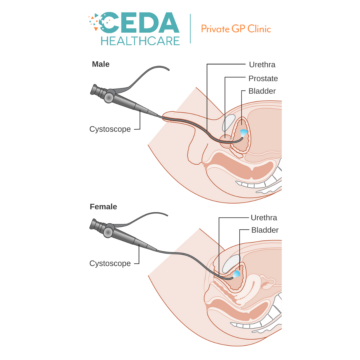
Cystoscopy is an important diagnostic procedure used by doctors to examine the bladder and urethra. At Private GP Clinic, we provide expert care and advanced facilities to ensure your cystoscopy experience is as comfortable and informative as possible. Whether you’re experiencing blood in your urine, recurrent infections, or pelvic pain, cystoscopy is a highly effective tool for diagnosing and addressing these issues.
What is Cystoscopy?
Cystoscopy involves using a thin tube with a camera on the end (called a cystoscope) to examine the inside of your bladder and urethra. It is used to diagnose conditions such as blood in urine, bladder infections, pelvic pain, and bladder cancer. The procedure can also be used for minor treatments like removing stones or taking biopsies.
At Private GP Clinic, our team of specialists ensures that the procedure is carried out with the utmost care, whether under local or general anaesthesia.
Flexible Cystoscopy Under Local Anaesthetic Gel
A flexible cystoscopy done under local anaesthetic gel is a quick and effective procedure that typically lasts no more than 15 minutes. This method involves introducing a small, flexible camera (cystoscope) into the bladder through the urethra. It is primarily used for both diagnostic and therapeutic purposes:
- Diagnostic Uses:
Flexible cystoscopy is commonly performed to investigate symptoms such as blood in the urine (both visible or non-visible haematuria), lower urinary tract symptoms (including waterworks problems), recurrent urinary tract infections, overactive bladder issues, recurrent cystitis, and enlarged prostate issues in men and women.
- Therapeutic Uses:
It can also be combined with treatments, such as intradetrusor Botox injections for overactive bladder issues, urethral or bladder neck stretching for women with recurrent urinary tract infections, or iALURIL installation to treat recurrent UTIs and cystitis.
This versatile procedure allows your doctor to gather valuable insights while offering immediate treatment options, all with minimal discomfort and fast recovery.
Why is Cystoscopy Performed?
Cystoscopy is used for various diagnostic and therapeutic purposes, including:
- Blood in Urine: To investigate the source of blood, which could indicate conditions such as infections, stones, or bladder cancer.
- Recurrent Infections: To examine the bladder lining after repeated infections.
- Bladder Cancer Surveillance: To monitor for signs of cancer, especially after treatment or radiation therapy.
- Bladder Stones and Strictures: To identify and remove small stones or treat strictures (narrowed areas in the bladder).
Cystoscopy can also help in cases where other diagnostic tests, like urine tests or scans, are inconclusive.
Types of Cystoscopy at Private GP Clinic
We offer both flexible and rigid cystoscopy procedures, tailored to the patient’s needs.
- Flexible Cystoscopy:
A flexible cystoscope is the preferred option for routine examinations. It is more comfortable for the patient, with a quicker recovery time. Flexible cystoscopy is ideal for diagnosing recurrent urinary infections, blood in urine, and monitoring the bladder after previous treatment.
- Rigid Cystoscopy:
A rigid cystoscope is used for more complex procedures, such as biopsies, tumour removal, or stone treatment. This method requires a more invasive approach and may be performed under general anaesthesia. It is typically used in surgical settings for more detailed work.
Benefits of Cystoscopy at Private GP Clinic
- Quick and Effective Diagnosis:
Cystoscopy allows for direct visualisation of the bladder, making it one of the most reliable methods for diagnosing bladder conditions.
- No Downtime:
Most patients experience minimal downtime and can resume normal activities shortly after the procedure.
- Comprehensive Care:
At Private GP Clinic, we provide a full range of urological services, including pre-assessment, cystoscopy, follow-up care, and ongoing monitoring.
What to Expect After a Cystoscopy
After the procedure, you may experience mild stinging during urination and notice some pinkish urine. These symptoms are common and should resolve within 24-48 hours. It is important to:
- Drink plenty of fluids to flush out the bladder.
- Avoid heavy lifting or strenuous activity for the first day.
- Follow up with your doctor to discuss the results and any further treatments needed.
Potential Risks of Cystoscopy
While cystoscopy is generally safe, it does carry some potential risks, including:
- Mild Discomfort: A slight burning sensation or urgency when urinating for a short period.
- Pink-Tinged Urine: A normal side effect that should clear within a day or two.
- Urinary Tract Infection (UTI): In rare cases, a UTI may occur following the procedure.
At Private GP Clinic, we take every precaution to minimize risks and ensure your comfort throughout the process.
Frequently Asked Questions (FAQs)
- What is a cystoscopy?
Cystoscopy is a procedure where a doctor examines your bladder and urethra using a thin camera to diagnose or treat various urological conditions.
- How long does a cystoscopy take?
A flexible cystoscopy usually takes about 5-10 minutes, while a rigid cystoscopy can take 15-30 minutes depending on the complexity of the procedure.
- Is cystoscopy painful?
Most patients experience mild discomfort, but the procedure is generally well-tolerated. Local anaesthetic gel is used to numb the area, and sedation is available for more invasive procedures.
- What should I do after the procedure?
Drink plenty of fluids, avoid strenuous activities, and follow your doctor’s advice on aftercare.
- How do I prepare for a cystoscopy?
Follow the clinic’s pre-assessment guidelines, including stopping certain medications if necessary and ensuring your bladder is full for the procedure.
If you are experiencing symptoms like blood in your urine or recurrent infections, or if you need follow-up care for bladder cancer, book your cystoscopy consultation at Private GP Clinic today. Our expert team will guide you through the process and provide tailored care to ensure the best possible outcome for your bladder health.
Call us today to schedule your appointment or learn more about our services!